When we talk about global technology giants, Samsung stands firmly among the most influential brands in the world. Known for its wide range of products from smartphones and televisions to semiconductors and home appliances Samsung has built a reputation for innovation, reliability, and premium design. This comprehensive review explores Samsung’s journey, product ecosystem, strengths, weaknesses, and its overall impact on the tech industry.
Introduction to Samsung
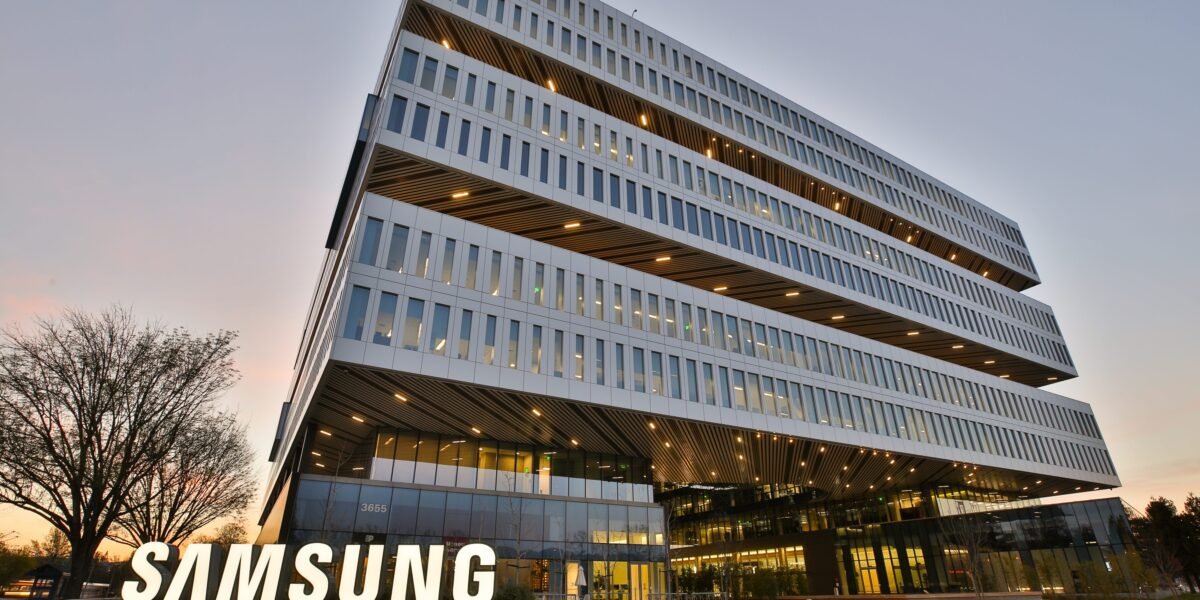
Samsung is a South Korean conglomerate founded in 1938 by Lee Byung-chul. Initially, it started as a trading company, but over the decades, it expanded into various industries including electronics, construction, insurance, and shipbuilding. Today, Samsung Electronics is the most recognized arm of the group, responsible for producing consumer electronics and components.
Samsung’s brand identity revolves around cutting-edge technology, sleek design, and continuous innovation. It has positioned itself as both a premium and mass-market brand, catering to a wide range of consumers globally.
Smartphone Leadership
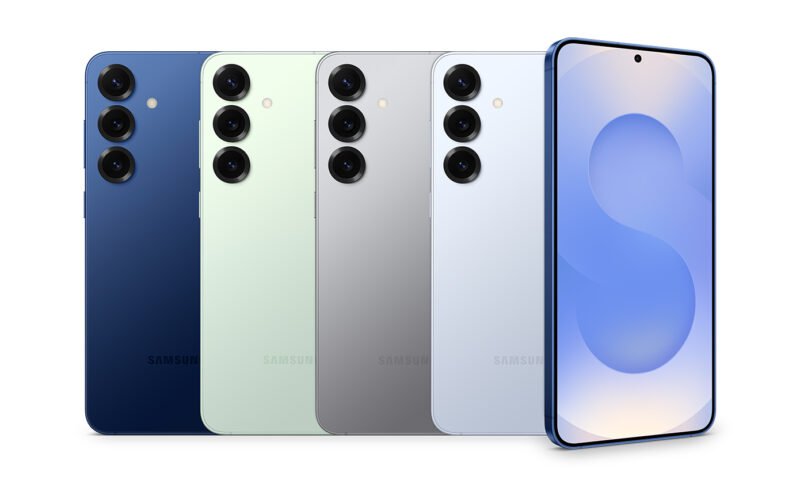
Samsung is perhaps best known for its smartphones, especially the Galaxy series. The company competes directly with brands like Apple, Xiaomi, and OnePlus.
Galaxy S Series (Flagship Line)
The Galaxy S series represents Samsung’s premium flagship smartphones. These devices typically feature:
- High-end processors (Exynos or Snapdragon)
- AMOLED displays with high refresh rates
- Advanced camera systems
- Premium build quality with glass and metal
Samsung’s AMOLED displays are considered among the best in the industry, offering vibrant colors, deep blacks, and excellent brightness levels. The camera performance has also improved significantly over the years, especially in low-light conditions.
Galaxy Z Series (Foldables)
Samsung has pioneered foldable smartphone technology with its Galaxy Z Fold and Z Flip series. These devices offer:
- Foldable displays
- Multitasking capabilities
- Unique form factors
While foldables are still evolving, Samsung has taken a leadership position in this niche, pushing innovation forward.
Galaxy A and M Series (Mid-range and Budget)
Samsung also dominates the mid-range and budget segments with its Galaxy A and M series. These phones provide:
- Good performance for daily use
- Large batteries
- Decent cameras
- Affordable pricing
This wide product range allows Samsung to reach both premium and price-sensitive markets.
Display Technology Excellence
Samsung is the world leader in display manufacturing. Its AMOLED and OLED panels are used not only in its own devices but also by competitors.
Key Strengths in Displays
- Superior color accuracy
- High brightness levels
- Energy efficiency
- Durability
Samsung’s TVs, especially QLED and Neo QLED models, are widely appreciated for their picture quality, smart features, and design.
Television and Home Entertainment
Samsung’s television lineup is extensive and caters to different budgets.
QLED and Neo QLED TVs
These TVs offer:
- Quantum Dot technology
- Enhanced brightness and contrast
- Slim and modern designs
Samsung’s Smart TV platform is user-friendly and supports popular streaming apps like Netflix, Amazon Prime Video, and YouTube.
OLED TVs
Samsung has also entered the OLED market, offering deeper blacks and better viewing angles.
Sound Systems
Samsung soundbars complement its TVs well, delivering immersive audio experiences.
Home Appliances
Samsung is a major player in home appliances, including:
- Refrigerators
- Washing machines
- Air conditioners
- Microwaves
Smart Appliances
Samsung integrates smart technology into its appliances through its SmartThings ecosystem. This allows users to control devices via smartphone apps.
Design and Efficiency
Samsung appliances are known for:
- Modern aesthetics
- Energy efficiency
- Innovative features like AI-based washing and cooling systems
Semiconductor Leadership
One of Samsung’s strongest yet less visible strengths is its semiconductor business.
Key Areas
- Memory chips (DRAM and NAND)
- Processors
- Display drivers
Samsung is one of the largest semiconductor manufacturers globally, competing with companies like Intel and TSMC. This vertical integration gives Samsung a strategic advantage.
Software Experience
Samsung uses Android as its base operating system but enhances it with its own interface called One UI.
One UI Features
- Clean and user-friendly interface
- Customization options
- Regular updates
- Integration with Samsung services
While earlier versions of Samsung’s UI were criticized for being heavy, One UI has significantly improved performance and usability.
Ecosystem Integration
Samsung has built a strong ecosystem of devices, including:
- Smartphones
- Tablets
- Smartwatches
- Earbuds
- Laptops
- TVs
Seamless Connectivity
Features like:
- Quick Share
- Samsung DeX
- Multi-device control
make it easier for users to connect and switch between devices.
Design Philosophy
Samsung focuses heavily on design across all its products.
Key Design Elements
- Minimalistic aesthetics
- Premium materials
- Slim profiles
Samsung devices often stand out for their elegant and modern look.
Innovation and Research
Samsung invests billions of dollars in research and development every year.
Notable Innovations
- Foldable displays
- 8K TVs
- Advanced camera sensors
- 5G technology
This commitment to innovation keeps Samsung ahead in many areas.
Strengths of Samsung
1. Wide Product Range
Samsung caters to all segments, from budget to premium.
2. Innovation Leader
The company consistently introduces new technologies.
3. Strong Brand Value
Samsung is a trusted global brand.
4. Vertical Integration
Control over components like displays and chips gives Samsung an edge.
5. Global Presence
Samsung operates in almost every country.
Weaknesses of Samsung
1. Software Bloat
Despite improvements, some users still find unnecessary apps pre-installed.
2. Pricing of Flagships
Samsung’s flagship devices can be expensive.
3. Competition
Strong competition from Chinese brands in mid-range segments.
4. Inconsistent Updates (Historically)
Although improving, Samsung previously lagged in software updates compared to competitors.
Samsung vs Competitors
vs Apple
- Samsung offers more customization and variety.
- Apple provides a more controlled ecosystem.
vs Xiaomi
- Samsung focuses on quality and brand value.
- Xiaomi offers aggressive pricing.
vs OnePlus
- Samsung leads in hardware innovation.
- OnePlus emphasizes performance and clean software.
Sustainability Efforts
Samsung has taken steps toward sustainability:
- Eco-friendly packaging
- Energy-efficient products
- Recycling programs
However, like many tech companies, there is still room for improvement.
Customer Support and Service
Samsung has a strong service network, especially in countries like India.
Service Features
- Authorized service centers
- Online support
- Warranty services
Customer experience can vary depending on location but is generally reliable.
Market Position
Samsung is one of the top technology companies globally.
Key Achievements
- Leading smartphone manufacturer (by volume in many years)
- Dominant display producer
- Major semiconductor supplier
Samsung’s diversified business model ensures stability and growth.
Future Outlook
Samsung is focusing on:
- Artificial Intelligence
- Internet of Things (IoT)
- Foldable devices
- 6G technology
These areas will shape the company’s future growth.
Final Verdict
Samsung is a powerhouse in the technology industry. Its ability to innovate, adapt, and cater to a wide audience makes it one of the most versatile brands in the world.
Who Should Buy Samsung Products?
- Users looking for premium design and features
- People who want a wide range of choices
- Tech enthusiasts interested in innovation
Who Might Look Elsewhere?
- Users who prefer stock Android experience
- Budget buyers looking for maximum value
Conclusion
Samsung has successfully built a global empire by combining innovation, quality, and strategic expansion. Whether it’s smartphones, TVs, or semiconductors, the company continues to lead in multiple domains.
While it faces strong competition, Samsung’s commitment to research and development, along with its vast ecosystem, ensures that it remains a dominant force in the tech world.
In conclusion, Samsung is not just a brand it is a symbol of technological progress and innovation, shaping the future of consumer electronics and beyond.